Understanding Air Cargo Charges: The Ultimate Guide for Business Success
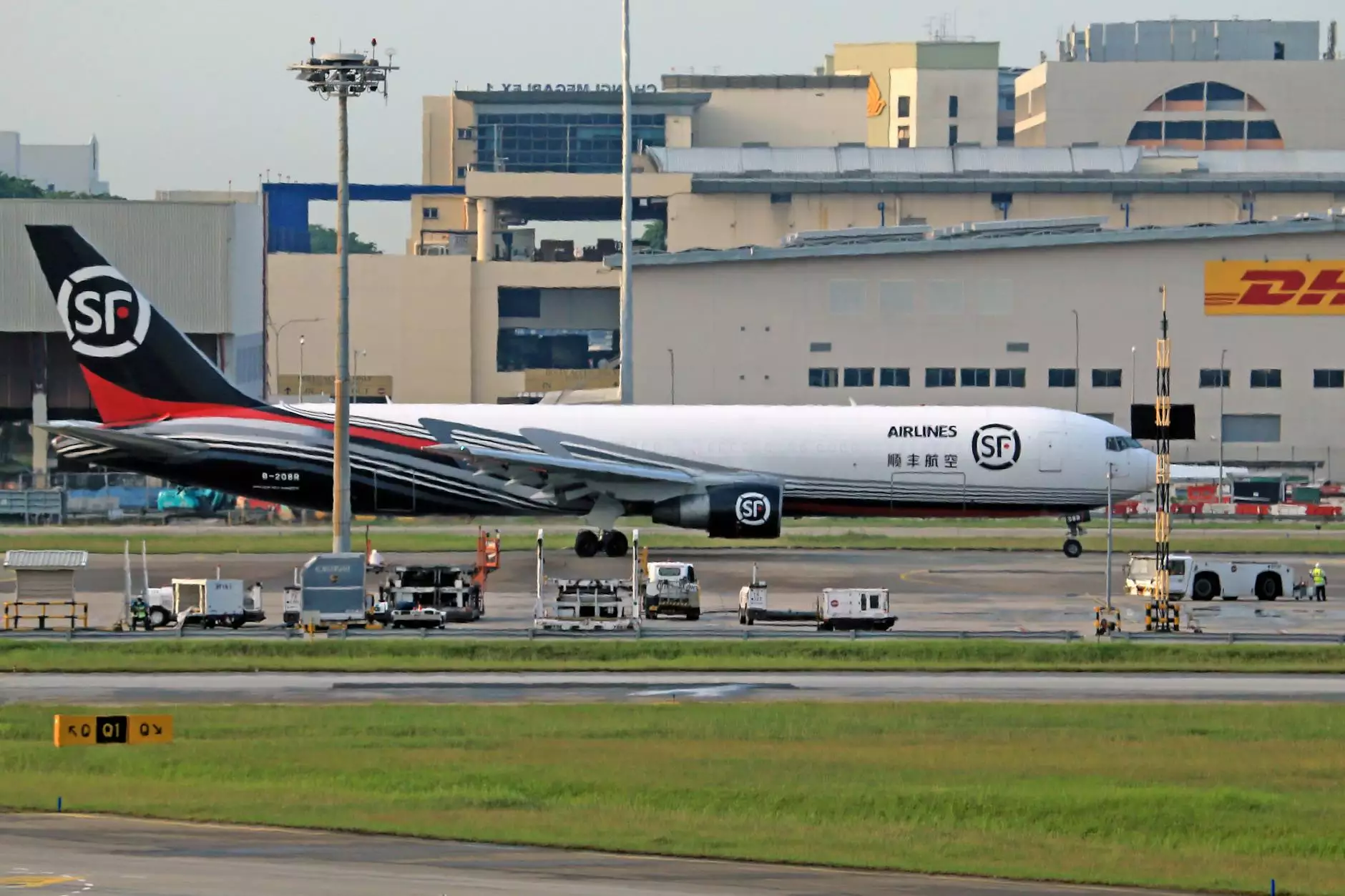
In the fast-paced world of international trade and logistics, air cargo charges play a pivotal role in determining the efficiency, cost-effectiveness, and competitiveness of your shipping operations. Whether you are a seasoned freight forwarder, an e-commerce retailer, or a manufacturing enterprise, comprehending the intricacies of air freight costs can enable you to make informed decisions that enhance your supply chain performance. This comprehensive guide delves into every aspect of air cargo charges, demystifying the factors that influence pricing, the ways to optimize shipping expenses, and how leveraging platforms like cargobooking.aero can provide you with a strategic advantage.
What Are Air Cargo Charges?
At its core, air cargo charges refer to the costs associated with transporting goods via air freight. These charges encompass a variety of components, from the basic freight fee for space on an aircraft to additional fees arising from special handling, documentation, and logistical requirements. Understanding these charges ensures that businesses can budget effectively, avoid unexpected costs, and negotiate better deals with carriers and freight forwarders.
Key Factors Influencing Air Cargo Charges
The pricing structure for air cargo is complex, influenced by numerous dynamic factors. Recognizing these factors enables shippers to optimize their cargo planning and reduce costs. Here are the primary determinants that impact air cargo charges:
1. Weight and Volume of Cargo
The most significant factor affecting air cargo charges is the weight and volume of the shipment. Airlines typically charge based on the greater of the two—known as the chargeable weight. This can be calculated using the volumetric weight formula:
- Volumetric Weight = Length (cm) x Width (cm) x Height (cm) / Dimensional Factor
- The standard dimensional factor is often 6000 or 5000, depending on the airline or freight platform.
Understanding this calculation allows shippers to optimize packaging, reducing unnecessary volume and reducing overall cargo costs.
2. Nature of Goods and Handling Requirements
Fragile, hazardous, or temperature-sensitive cargo requires special handling, which can significantly increase air cargo charges. Additional fees may include security measures, specialized containers, or freight accommodations for perishable goods.
3. Distance and Route
The greater the distance between the origin and destination, the higher the transportation costs. Long-haul routes across continents or oceans involve more fuel consumption, crew hours, and logistical complexity, all of which influence the quoted charges.
4. Fuel Surcharges
Fuel prices are highly volatile. Airlines include fuel surcharges in their pricing to account for fluctuations, making it a significant component of air cargo charges. When fuel prices rise, so does the cost of air freight.
5. Seasonal Demand and Capacity Constraints
Peak seasons, such as holidays or specific industry events, see increased demand for air cargo space. Limited capacity during these periods leads to elevated charges due to supply-demand dynamics.
6. Additional Fees and Surcharges
Other potential charges include:
- Security Charges: For cargo screening and safety measures
- Dispatch Fees: Handling and documentation processing
- Customs and Duties: Import/export tariffs depending on the destination country
- Storage and Demurrage: Fees for holding cargo at facilities beyond allocated free time
How to Calculate and Compare Air Cargo Charges
To effectively manage shipping budgets, it is vital to accurately calculate and compare air cargo charges. Here are steps and tips for doing so:
1. Obtain Detailed Quotations
Always request comprehensive quotes from multiple carriers or freight forwarding platforms. Ensure the quotes specify all components, including base rates, surcharges, and additional fees.
2. Consider Chargeable Weight
Calculate both the gross weight and volumetric weight of your shipment. Use the higher value to determine the true air cargo charges.
3. Analyze Different Routes and Carriers
Compare routes and carriers to find optimal balances of cost, transit time, and service quality. Flexible routing can sometimes reduce expenses considerably.
4. Focus on Packaging Optimization
Proper packaging reduces volumetric weight and potentially lowers costs. Use lightweight yet sturdy materials and efficient packing methods.
5. Leverage Advanced Booking Platforms
Platforms like cargobooking.aero facilitate instant quotes, real-time capacity tracking, and transparent pricing, simplifying the process and ensuring competitive air cargo charges.
Strategic Ways to Minimize Air Cargo Charges
Reducing air cargo charges requires strategic planning and operational efficiency. Here are proven methods to lower costs:
- Consolidate Shipments: Combine smaller consignments into fewer, larger shipments to benefit from economies of scale.
- Optimize Packaging: Use space-efficient packaging to reduce volumetric weight.
- Schedule Flexibly: Book shipments during off-peak periods to avoid peak surcharges.
- Partner with Reliable Freight Platforms: Use digital platforms to compare prices, access discounts, and streamline documentation processes.
- Maintain Accurate Documentation: Prevent delays and additional handling costs caused by incomplete or incorrect paperwork.
The Role of Air Cargo Charges in Business Growth
Efficient management of air cargo charges can offer several strategic advantages for businesses:
- Cost Savings: Lower transportation expenses increase profit margins.
- Faster Delivery: Air freight’s speed is critical for perishable goods, urgent shipments, and time-sensitive materials.
- Market Expansion: Affordable and reliable air cargo allows businesses to reach global markets swiftly.
- Supply Chain Resilience: On-time deliveries reinforce supply chain consistency, especially during disruptions.
Why Partner with cargobooking.aero for Your Air Cargo Needs?
In today’s competitive environment, leveraging innovative freight booking platforms like cargobooking.aero can significantly alter your logistics landscape. Here's why:
- Real-Time Capacity and Price Comparison: Access multiple carriers instantly and secure the most competitive air cargo charges.
- Transparent Pricing: No hidden fees—powerful tools help you understand all cost components upfront.
- Streamlined Booking Process: Simplify complex logistics workflows with automated documentation and scheduling.
- Global Coverage: Connect with leading airline partners and freight consolidators worldwide.
- Expert Support: Dedicated customer service ensures optimal solutions tailored to your business needs.
Conclusion: Mastering Air Cargo Charges for Sustainable Business Growth
Understanding and effectively managing air cargo charges is essential for any business engaged in international trade. By comprehensively analyzing the factors influencing costs, optimizing packaging and routing, and utilizing advanced booking platforms like cargobooking.aero, companies can significantly reduce transportation expenses, enhance operational efficiency, and gain a competitive edge in the global marketplace.
Ultimately, a strategic approach to air freight costs not only improves your bottom line but also enables your business to be more agile and responsive to market demands. Embrace these insights and leverage cutting-edge digital platforms to transform your logistics and elevate your business success today.
air cargo charges