The Fascinating Pumpkin Name Origin: Unlocking the History and Significance of Pumpkin Nomenclature
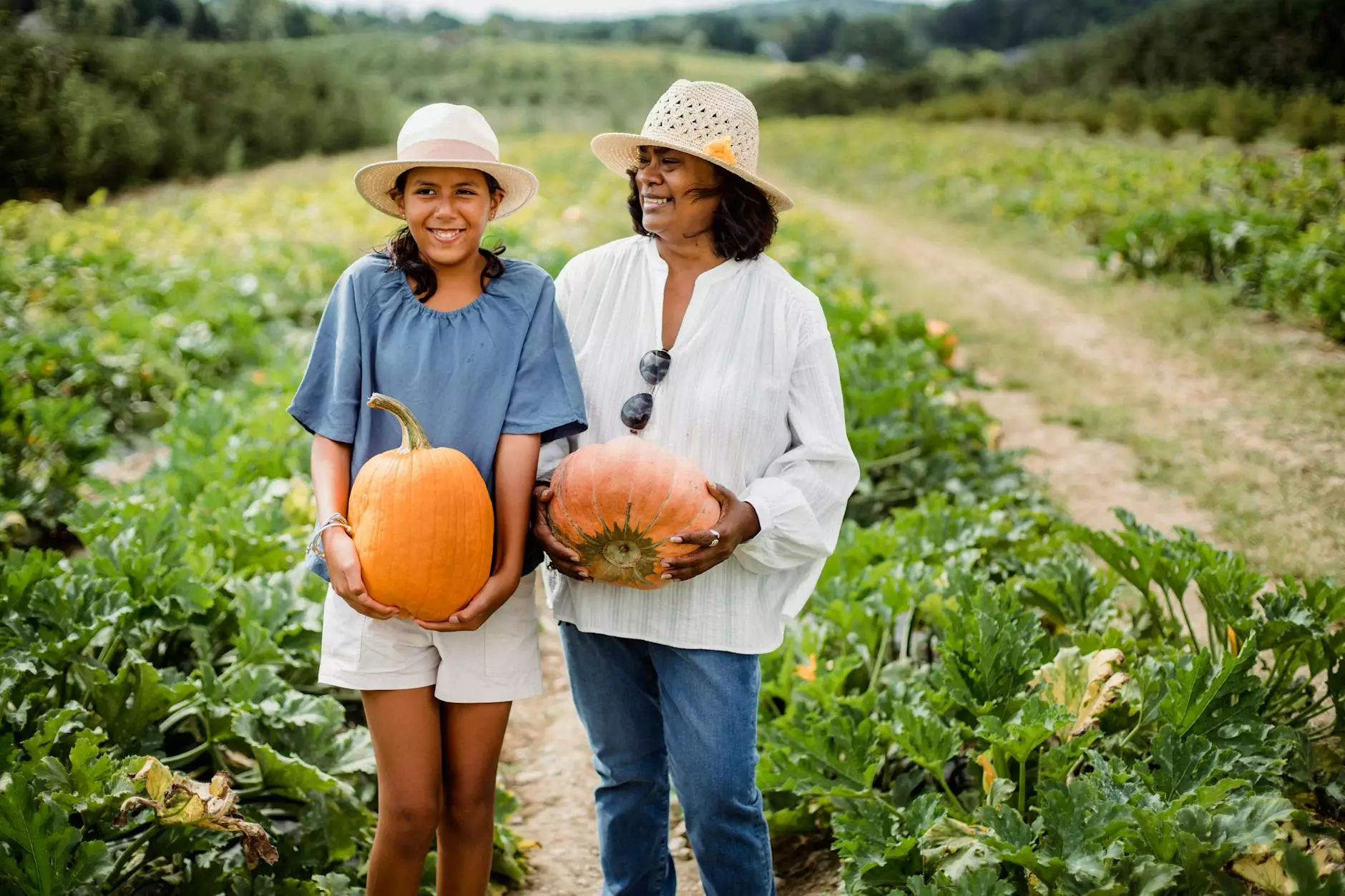
Understanding the origin of pumpkin names is not only a journey into the past but also a way to appreciate the rich cultural and botanical history associated with this iconic squash. As gardeners and enthusiasts, knowing how pumpkins got their names can deepen your connection to this versatile and seasonal produce, enhancing your gardening experience and culinary creativity. This comprehensive guide delves into the pumpkin name origin, tracing back the roots of different varieties, names, and the linguistic evolution that has shaped our modern understanding of pumpkins.
Historical Background of Pumpkin Names
The pumpkin name origin is deeply intertwined with both linguistic evolution and regional agricultural practices. Historically, pumpkins have been cultivated for thousands of years, with their wild ancestors originating in Central and South America. The names used for pumpkins in various cultures reflect their significance, use, and regional characteristics.
The Early Names and Indigenous Languages
Many of the initial names for pumpkins come from indigenous languages such as Nahuatl, the language of the Aztecs. For example, the Nahuatl word “axayacatl” referred to gourds and pumpkins, which were essential in their diet and rituals. These names were descriptive, often referring to the size, shape, or use of the pumpkin.
European Adoption and Language Transformation
When Europeans encountered pumpkins during their explorations, they adopted and adapted native words, leading to variations in names across languages. The word “pumpkin” itself is believed to have derived from the Greek pepon, meaning "large melon," via Latin and French influences. Over time, regional dialects and linguistic shifts further customized the pumpkin's name, giving us the diverse nomenclature used today.
Variations in Pumpkin Name Origin Across Cultures
Different cultures have their own unique names for pumpkins, reflecting the botanical varieties and cultural importance attached to them. Here’s an overview of some notable examples:
- English: The term "pumpkin" is widely used in Britain and America, originating from the Greek pepon.
- Spanish: Known as "calabaza", a word that has ancient roots and is used broadly across Latin America.
- French: The word "citrouille" is commonly used, originating from Latin citrullus.
- German: The term "Kürbis" describes pumpkins and squashes in general, stemming from old Germanic words.
- Hindi: The pumpkin is called "kharbooja", with roots in ancient Indian languages.
Botanical Names and Varietal Origins
Beyond the common names, the scientific and botanical classifications provide a deeper understanding of pumpkin name origin. The genus Cucurbita encompasses numerous pumpkin varieties, each with specific local or descriptive names. The most prominent species include Cucurbita pepo, Cucurbita maxima, and Cucurbita moschata.
The Significance of Botanical Nomenclature
These Latin names often encode characteristics like size, shape, or flavor. For example:
- Cucurbita pepo: Includes many small pumpkins and gourds, historical name linked with North American varieties.
- Cucurbita maxima: Encompasses larger, more massive pumpkins, often used for ornamental and culinary purposes.
- Cucurbita moschata: Known for sweeter, more flavorful pumpkins, used extensively in baking.
Evolution of Pumpkin Names Through Centuries
The pumpkin name origin has evolved dramatically over centuries, shaped by trade, colonization, and cultural exchanges. The spread of pumpkins from the Americas to Europe and Asia changed local names, sometimes blending native and colonial terms, creating a rich tapestry of nomenclature that persists today.
Colonial Influence and Modern Terminology
During the colonial period, European settlers adapted indigenous words into their lexicon. As pumpkin varieties diversified and became a staple in cultural festivities like harvest festivals and Halloween, their names also adapted to new contexts and linguistic preferences. The widespread adoption of the term "pumpkin" in English can be traced to this influence, replacing earlier words like "pompion" or "pumming" used in older dialects.
Contemporary Significance of Pumpkin Names
Today, pumpkin name origin holds cultural, culinary, and horticultural importance. Understanding the roots of pumpkin names can aid gardeners in selecting the right variety for their needs, improve marketing strategies for pumpkin-related products, and foster deeper appreciation of this vegetable’s history.
Marketing and Branding of Pumpkin Varieties
Knowledge of pumpkin name origin is crucial for branding. For example, heirloom varieties often carry descriptive or regional names that highlight their unique characteristics. Modern cultivators and marketers leverage this historical significance to attract customers seeking authentic, traditional, or exotic pumpkins.
How to Incorporate Knowledge of Pumpkin Name Origin in Gardening
For gardeners, understanding the pumpkin name origin can guide planting choices, help interpret seed catalogs, and enhance the cultural appreciation of their harvest. Here are some tips:
- Learn regional names: Recognize traditional names used locally for pumpkins and their varieties.
- Identify genetic lineage: Use botanical names to understand growth habits and culinary uses.
- Explore heirloom varieties: Select traditional varieties with rich histories and distinctive names for unique garden displays.
- Celebrate cultural diversity: Incorporate pumpkin varieties from different cultures, appreciating their name origins and significance.
Summary: The Rich Tapestry of Pumpkin Name Origin
In conclusion, the pumpkin name origin is a reflection of human history, language development, and cultural exchange. From indigenous roots to modern branding, pumpkin names encapsulate stories of discovery, adaptation, and tradition. Whether you're a gardener planting heirloom pumpkins or a culinary artist creating festive dishes, understanding this history adds depth and authenticity to your work.
As a dedicated gardener or pumpkin enthusiast at pumpkins.co.uk, embracing the pumpkin name origin enriches your engagement with this fascinating vegetable. Exploring these origins helps preserve cultural heritage, enhances appreciation, and promotes sustainable gardening practices rooted in historical knowledge.
Further Resources and Reading
For those interested in deepening their understanding of pumpkin name origin and exploring various pumpkin varieties, consider consulting:
- Historical botany texts focusing on Cucurbita species
- Cultural studies on indigenous harvest traditions
- Seed catalogs highlighting heirloom and regional pumpkin varieties
- Gardening forums and horticultural societies specializing in cucurbits
Unlocking the pumpkin name origin not only enlightens us about the past but also guides future cultivation and culinary adventures. Embrace the story behind each name, and let it inspire your passion for gardening and sustainable food traditions.